Electric gripper product center
Browse electric grippers by series and model. Open a product detail page to review application fit and request the technical files needed for selection.
Choose a series, then open the model details
Compare model specifications
Across the wider series, stroke options run from 6 mm (EPGS) to 265 mm (EPGL). Confirm current model data and operating conditions before selection.
| Model | Fingers | Stroke | Force range | Max. load | Repeatability | Interface | IP | Weight |
|---|---|---|---|---|---|---|---|---|
| EPGS-6-10 | 2 | 6 mm | 10 N ±20% | 0.2 kg | ±0.1 mm | I/O | IP40 | 160 g |
| EPGS-8-10 | 2 | 8 mm | 10 N ±20% | 0.2 kg | ±0.1 mm | I/O (3-wire) | IP40 | On request |
| EPGS-12-15 | 2 | 12 mm | 15 N ±20% | 0.26 kg | ±0.1 mm | I/O | IP40 | 180 g |
| EPG2-26-15 | 2 | 0–26 mm | 6–15 N | 0.3 kg | ±0.02 mm | I/O (NPN) or Modbus RTU (RS485) | IP40 | 400 g |
| EPG2-26-50 | 2 | 0–26 mm | 15–50 N | 0.8 kg | ±0.02 mm | I/O (NPN) or Modbus RTU (RS485) | IP40 | 420 g |
| EPG2-50-50 | 2 | 0–50 mm | 15–50 N | 0.8 kg | ±0.02 mm | I/O (NPN) or Modbus RTU (RS485) | IP40 | 520 g |
| EPG2-50-150 | 2 | 0–50 mm | 40–150 N | 3 kg | ±0.02 mm | I/O (NPN) or Modbus RTU (RS485) | IP40 | On request |
| EPG2-100-50 | 2 | 100 mm | 15–50 N | 2 kg | Available on request | I/O (NPN) or Modbus RTU (RS485) | IP40 | 1 kg |
| EPG3-10-50 | 3 | 0–10 mm per finger | 15–50 N | 0.8 kg | ±0.02 mm | I/O (NPN) or Modbus RTU (RS485) | IP40 | 400 g |
| EPG4-10-50 | 4 | 0–10 mm per finger | 15–50 N | 0.8 kg | ±0.02 mm | I/O (NPN) or Modbus RTU (RS485) | IP40 | 450 g |
| EPGC-50-150 | 2 | 50 mm adjustable | 40–150 N adjustable | 3 kg | ±0.02 mm | I/O (NPN) or Modbus RTU (RS485) | IP54 | 1000 g |
| EPGL-200-1200 | 2 | 200 mm | 15–1200 N | 12 kg | Available on request | Available on request | Available on request | Available on request |
| EPGL-265-800 | 2 | On request | 240–800 N | 12kg | Available on request | Modbus RTU (RS485) / EtherCAT | Available on request | 4900 g |
| ERG-20-80 | 2 | 20 mm | 24–80 N | 1 kg | ±0.02 mm | I/O (NPN) or Modbus RTU (RS485) | IP40 | 1000 g |
| ERGD-30-35 | 2 | 30 mm | 10–35 N | 0.35 kg | Available on request | I/O (NPN) or Modbus RTU (RS485) | IP40 | 1000 g |
| LEF20-S10 | Available on request | 10 mm | 15–40 N | Available on request | ±0.02 mm | Q (programmable) / QS (programmable + Modbus) | On request | 0.42 kg |
| LEHF20-S24 | Available on request | 24 mm | 11–28 N | Available on request | ±0.05 mm | Q programmable / QS programmable + Modbus (selection code) | Available on request | 0.61 kg |
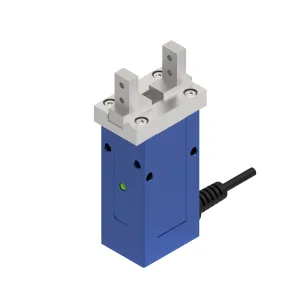
EPGS-6-10 Electric Gripper
EPGS-6-10 electric gripper model for industrial automation applications.
- Stroke
- 6 mm
- Force
- 10 N ±20%
- Payload
- 0.2 kg
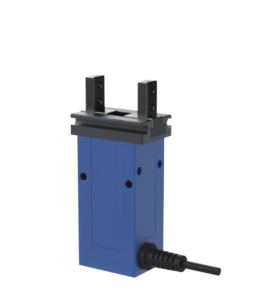
EPGS-8-10 Electric Gripper
EPGS-8-10 model data and application checks.
- Stroke
- 8 mm
- Force
- 10 N ±20%
- Payload
- 0.2 kg
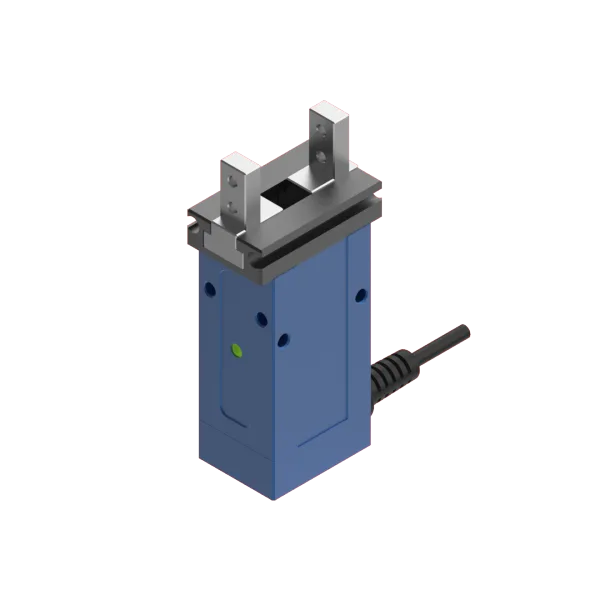
EPGS-12-15 Electric Gripper
EPGS-12-15 model data and application checks.
- Stroke
- 12 mm
- Force
- 15 N ±20%
- Payload
- 0.26 kg
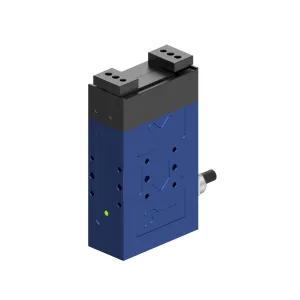
EPG2-26-15 Electric Gripper
Review EPG2-26-15 two-finger gripping for fixture transfer, with attention to fingertip loads, part datums and the supplied control configuration.
- Stroke
- 0–26 mm
- Force
- 6–15 N
- Payload
- 0.3 kg
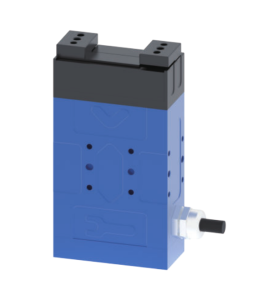
EPG2-26-50 Electric 2-Finger Parallel Gripper
EPG2-26-50 model data and application checks.
- Stroke
- 0–26 mm
- Force
- 15–50 N
- Payload
- 0.8 kg
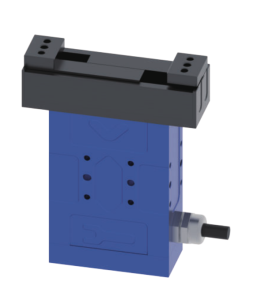
EPG2-50-50 Electric 2-Finger Parallel Gripper
EPG2-50-50 model data and application checks.
- Stroke
- 0–50 mm
- Force
- 15–50 N
- Payload
- 0.8 kg
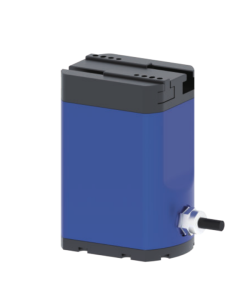
EPG2-50-150 Electric Gripper
EPG2-50-150 model data and application checks.
- Stroke
- 0–50 mm
- Force
- 40–150 N
- Payload
- 3 kg
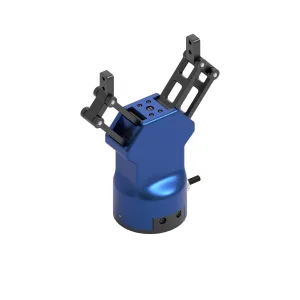
EPG2-100-50 Electric Long-Stroke Parallel Gripper
Evaluate EPG2-100-50 parallel gripping across a workpiece family, including open-tool clearance, fingertip loading and grip-state recovery.
- Stroke
- 100 mm
- Force
- 15–50 N
- Payload
- 2 kg
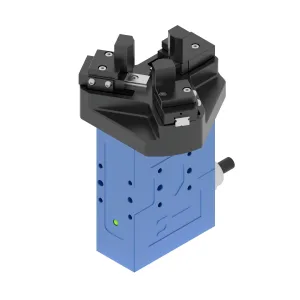
EPG3-10-50 Electric 3-Finger Centric Gripper
EPG3-10-50 three-finger electric gripper model data and application checks.
- Stroke
- 0–10 mm per finger
- Force
- 15–50 N
- Payload
- 0.8 kg
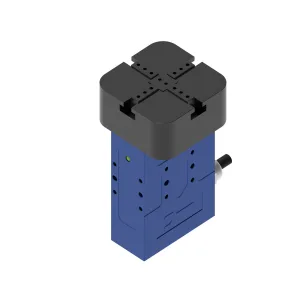
EPG4-10-50 Electric 4-Finger Centric Gripper
Evaluate EPG4-10-50 for inspection and assembly transfer by checking part presentation, fingertip loading and usable controller feedback.
- Stroke
- 0–10 mm per finger
- Force
- 15–50 N
- Payload
- 0.8 kg
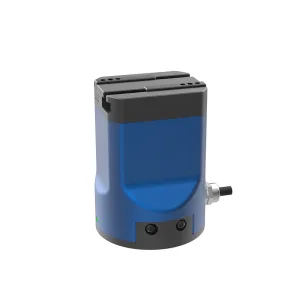
EPGC-50-150 Electric Gripper
Review EPGC-50-150 as a complete parallel-gripper tool, including robot mounting, fingertip moments, process exposure and restart behaviour.
- Stroke
- 50 mm adjustable
- Force
- 40–150 N adjustable
- Payload
- 3 kg
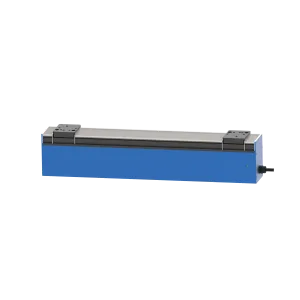
EPGL-200-1200 Heavy-Load Gripper
Evaluate EPGL-200-1200 heavy-load gripping through the complete load path, dynamic motion, part retention and documented environment limits.
- Stroke
- 200 mm
- Force
- 15–1200 N
- Payload
- 12 kg
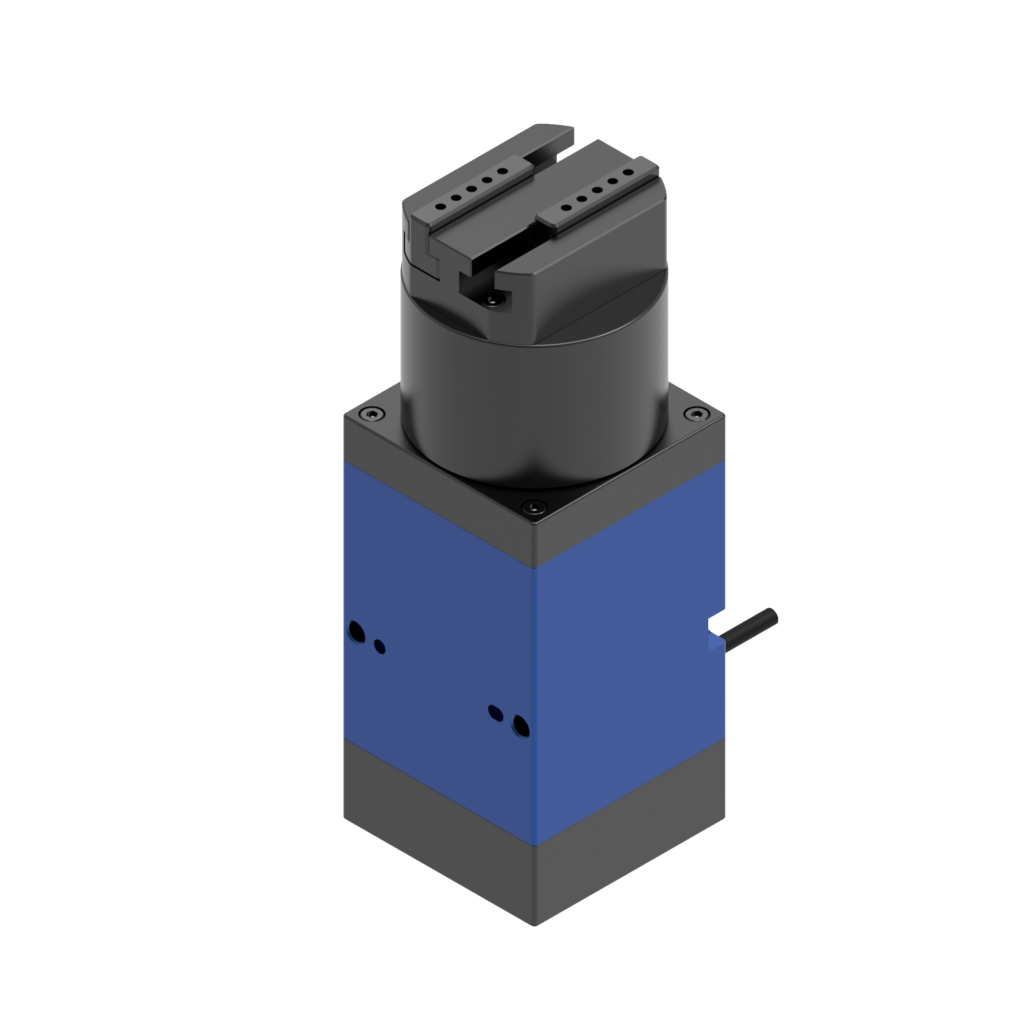
EPGL-265-800 Electric Long-Stroke Parallel Gripper
EPGL-265-800 electric gripper model for industrial automation applications.
- Stroke
- On request
- Force
- 240–800 N
- Payload
- 12kg
ERG-20-80 Electric Gripper
Assess ERG-20-80 rotation and clamping together, with checks for angular datums, rotary loading, swept clearance and exact-model documents.
- Stroke
- 20 mm
- Force
- 24–80 N
- Payload
- 1 kg
ERGD-30-35 Electric Direct-Drive Rotary Gripper
Review ERGD-30-35 rotary gripping for inspection, including part inertia, angular datums, contact stability and controller recovery.
- Stroke
- 30 mm
- Force
- 10–35 N
- Payload
- 0.35 kg
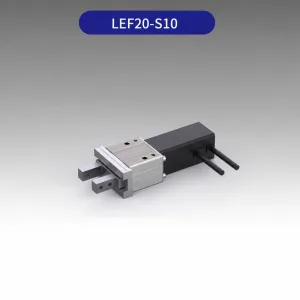
LEF20-S10 Electric Parallel Gripper
LEF20-S10 electric parallel gripper: 10 mm stroke, 15–40 N gripping force, stepper-driven with encoder.
- Stroke
- 10 mm
- Force
- 15–40 N
- Payload
- Ask us
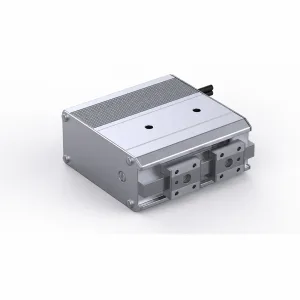
LEHF20-S24 Electric Gripper
Evaluate LEHF20-S24 parallel gripping from part contact, required opening and mounting. Detailed specifications and interfaces await confirmation.
- Stroke
- 24 mm
- Force
- 11–28 N
- Payload
- Ask us
Not sure which model to open first?
Start from the task: compact replacement, industrial two-finger gripping, cobot tooling, long-stroke handling, or grip-with-rotation.
On this page
How to compare electric gripper products
The catalogue is organised by series and model. Use each model card and detail page for the reviewed product type, reference values and information still to confirm. LEF20-S10 remains a product enquiry while its exact identity is being checked.
Reading the families in that order is faster than scrolling model lists, because the family usually follows from the part.
What to check on each product page
Each product page follows the same structure: what the model is for, how to select it, how it integrates, and the questions buyers ask most. Use the selection checks as a form of your own — if you cannot answer one of them, that is the item to confirm before asking for a quotation.
FAQ
How are the series organised?
By gripping task: parallel, wide travel, heavy load, rotating, and linear or parallel units.
Should I choose a family or a model first?
Family first. The part and the presentation method usually decide the family, and the model follows from there.
What if the part changes later?
Jaw and finger interfaces are normally made to suit the part, so keeping the interface standard makes a later revision easier.
Before the selection decision is made
A selection decision can be taken without a site visit, provided the part data is complete: shape, weight, contact surfaces and the accuracy the placement needs.
- Variation — how much the parts differ within a batch, and how much of that the gripper choice has to absorb without a change of jaw.
- Hand-over — the position the part must be left in for the next step, and how repeatable that position has to be, noted in the review.
- Service — what has to be reachable during a normal maintenance window, planned into selection rather than discovered after installation.
- Part data — the shape, the weight and the surfaces the gripper choice may touch, plus any coating or finish that must not be marked.
- Presentation — how the part arrives at the cell and the orientation the next station needs, written into the project notes.
- Contact — whether the finish allows a flat finger or calls for a shaped one, and how much off-position variation the gripper choice has to tolerate.
- Cell — the robot or axis, the mounting pattern, the cable route and the space around the tool, all checked against the review.
In practice, one message with the part, the cell and the cycle is enough to give the review something concrete to work from. Writing it down is what makes the selection decision repeatable when the same family is specified again on a later project. Where two options remain, the safer one to take forward is the gripper choice with fewer open questions against the part.
That is the difference between a longer discussion and a decision, and it is what the project notes above are for. None of that changes the order of the work: the selection decision is still answered from the part and the cell, not from a model list. Answer those points before the drawing is issued, and the shortlist usually settles without another round of questions.
How to shortlist electric gripper products
The fastest way to shortlist is to work through three filters in order. First, the gripping task: two flat faces, variable sizes, a heavy part, or a part that has to be rotated. That decides the family. Second, the presentation: how the part arrives and where it has to go. That decides whether parallel travel, wide travel or an added axis is needed. Third, the cell: mounting, reach, control and cycle.
Only after those three filters does comparing individual models make sense. Comparing two models from different families is a sign that the task has not been defined yet, and it usually ends in a list of features rather than a decision.
Each product page on this site follows the same order so the pages can be read side by side. If you are shortlisting three models, open the three pages and answer the same check on each. The one where more answers are missing is usually the one that needs another conversation, not another datasheet.
Documentation, samples and next steps
Once a family and a model direction are agreed, the project moves to documentation. Drawings, mounting information and interface details are prepared against the agreed application, which is why the part details matter more at this stage than the model name.
Samples are useful when the contact behaviour cannot be settled on paper — a coated surface, a flexible part, or a placement window that is tighter than usual. A sample review answers the question directly instead of through assumptions, and it shortens the path to a repeat order.
From there the project continues as a normal supply relationship: agreed documentation, agreed acceptance criteria, and a repeatable order path. Keeping the jaw and mounting interface standard across a project is what makes later revisions quick rather than disruptive.
Electric gripper models
- EPGS-6-10 Electric Gripper
- EPGC-50-150 Electric Gripper
- ERG-20-80 Electric Gripper
- ERGD-30-35 Electric Gripper
- EPGS-8P-10 Electric Gripper
- EPGS-12P-15 Electric Gripper
Selection guides and applications
Need help choosing a model?
Use the electric gripper selection guide to check stroke, load, force, finger contact and controller requirements. For the current model drawing or parameter sheet, use the enquiry link on each product page.