Contact our electric gripper team
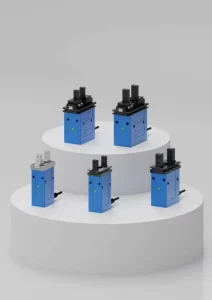
Send your part, robot model, stroke, force, cycle target, and destination country. We help buyers and integrators move from handling requirements to a practical gripper selection path.
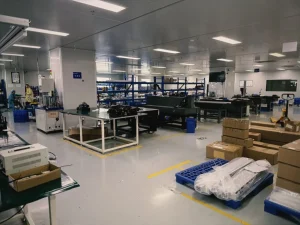
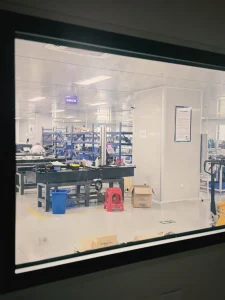
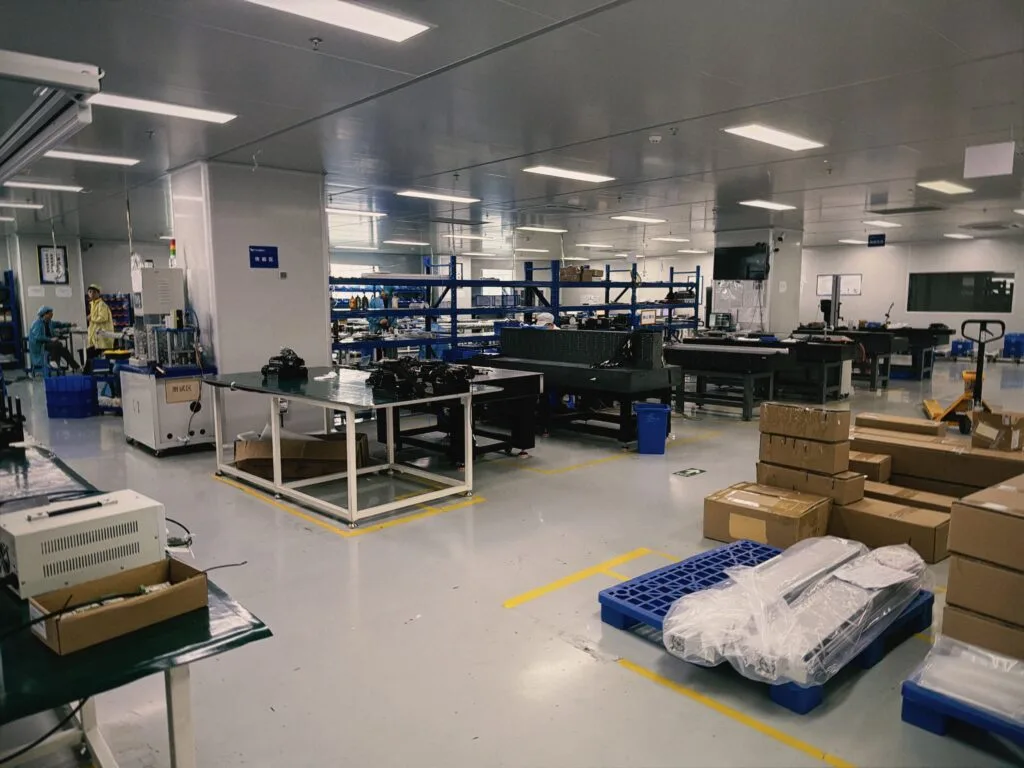
Built around real workshop capability and engineering response
Share your application details with a team that understands model selection, workshop preparation, quality checks, and export project communication.
How the response works
Keep the buyer focused on the information needed before a model recommendation or quote.
Requirement check
Part handling, robot model, stroke, force, control method, and environment are reviewed first.
Model direction
A suitable gripper series or model path is recommended before detailed quotation.
Quotation package
Quotation details, drawings, and supporting notes are prepared after model fit is clear.
On this page
Send an electric gripper inquiry
Getting a useful answer is mostly about sending the right four things: the part, the robot or axis, the cycle target and the destination country. A drawing, a photo with a scale or a short video of the current handling step replaces a long written description.
What happens after you send it
The application is reviewed against the part and the cell, and model direction is returned. Where a detail is missing it is asked once, in the same message, rather than across several rounds. Formal drawings or documentation are provided once the model direction is agreed.
How to send your project details
Your message does not need to be formal. Write the part, the machine it goes into, the cycle and the country, and attach a photo or drawing if one exists. A message sent that way can usually be answered with practical model direction in one reply.
If the project is still at the concept stage, say so in your message. Early enquiries are answered with the checks to confirm rather than a fixed model number, which is more useful than a selection that has to be revisited later.
FAQ
What should I send with an enquiry?
A drawing or photo with a scale, the part weight, the robot or axis, the cycle target and the destination country.
Is a drawing always required?
No. A clear photo with a scale or a short video of the current handling step is often enough to give useful direction.
How quickly will I hear back?
Application enquiries are reviewed as they arrive. If a detail is missing it is asked once, in the same message.
What to prepare for a review
A selection decision can be taken without a site visit, provided the part data is complete: shape, weight, contact surfaces and the accuracy the placement needs.
- Hand-over — the position the part must be left in for the next step, and how repeatable that position has to be, noted in the review.
- Service — what has to be reachable during a normal maintenance window, planned into selection rather than discovered after installation.
- Part data — the shape, the weight and the surfaces the gripper choice may touch, plus any coating or finish that must not be marked.
- Presentation — how the part arrives at the cell and the orientation the next station needs, written into the project notes.
Where two options remain, the safer one to take forward is the gripper choice with fewer open questions against the part. That is the difference between a longer discussion and a decision, and it is what the project notes above are for.
None of that changes the order of the work: the selection decision is still answered from the part and the cell, not from a model list.
What a good enquiry contains
Four items turn an enquiry into a selection conversation. The part: what it is, what it is made of and how it may be touched. The cell: the robot, axis or machine the gripper mounts to. The cycle: what has to happen and how often. The destination: where the cell is and how the project will be staged.
Photographs and drawings are welcome but not required. A clear photo with a scale next to the part, or a short video of the current handling step, is often more informative than a full drawing because it shows the part as it actually arrives.
If the project is at an early stage, say so. Early-stage enquiries are answered with direction and the checks to confirm, which is usually more useful than a model number that has to be revisited once the cell is defined.
Enquiry channels and response
Enquiries are handled as they arrive, in the order the application detail is complete. A message that includes the part, the cell and the cycle is reviewed directly; a message that only asks for a price is usually answered with the questions needed to get to one.
Where a model direction can be given immediately, it is given. Where it cannot, the reply states what is missing and why it matters — the presentation tolerance, the contact area, or the control method. That keeps the exchange to one round instead of several.
Documentation, samples and formal drawings are discussed once the direction is agreed, so that they are prepared against a defined application rather than a guess.