Built for precise electric gripping
We support automation teams with electric gripper products, application review, model selection, and project communication from prototype to repeat orders.
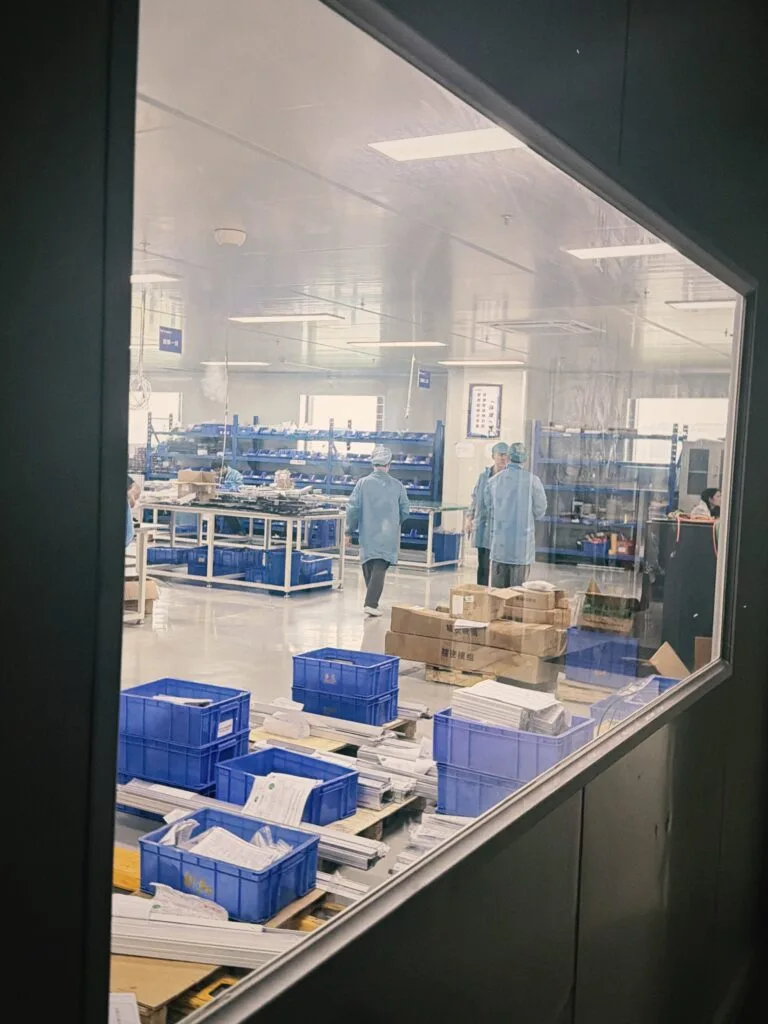
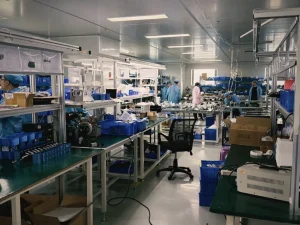
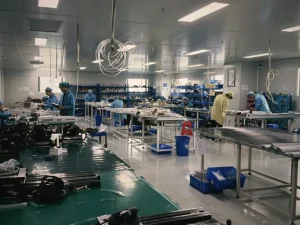
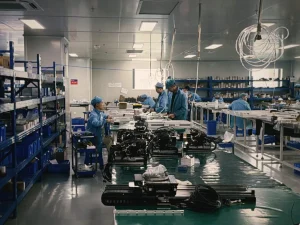
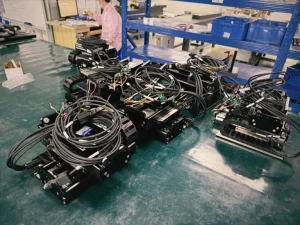
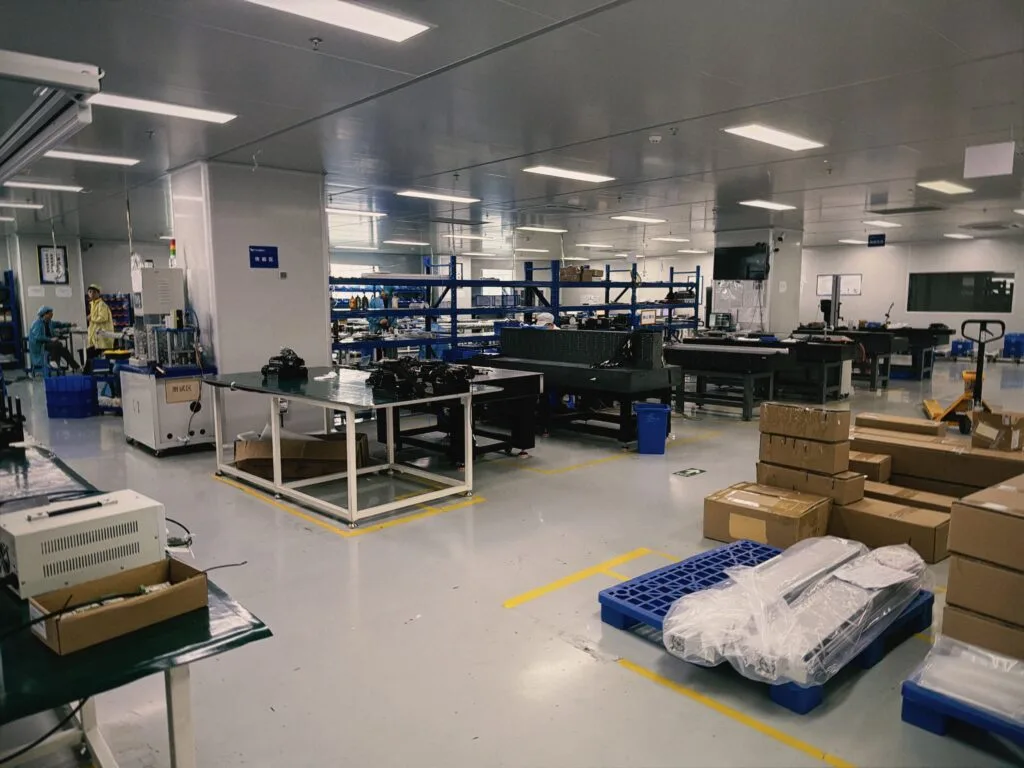
Production, assembly, and material flow on the factory floor
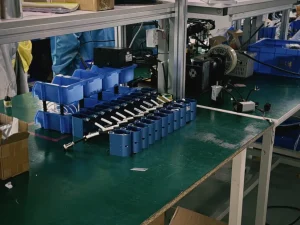
Production lines, assembly bays, and material management from the gripper manufacturing floor.
Engineering support for automation teams
Beyond the product model, buyers need practical support on stroke, force, robot mounting, controller communication, and delivery constraints. Our team focuses on matching each gripper to the real automation task.
Quality checks before every shipment
These are the checks that matter during sourcing and technical review, not broad promises.
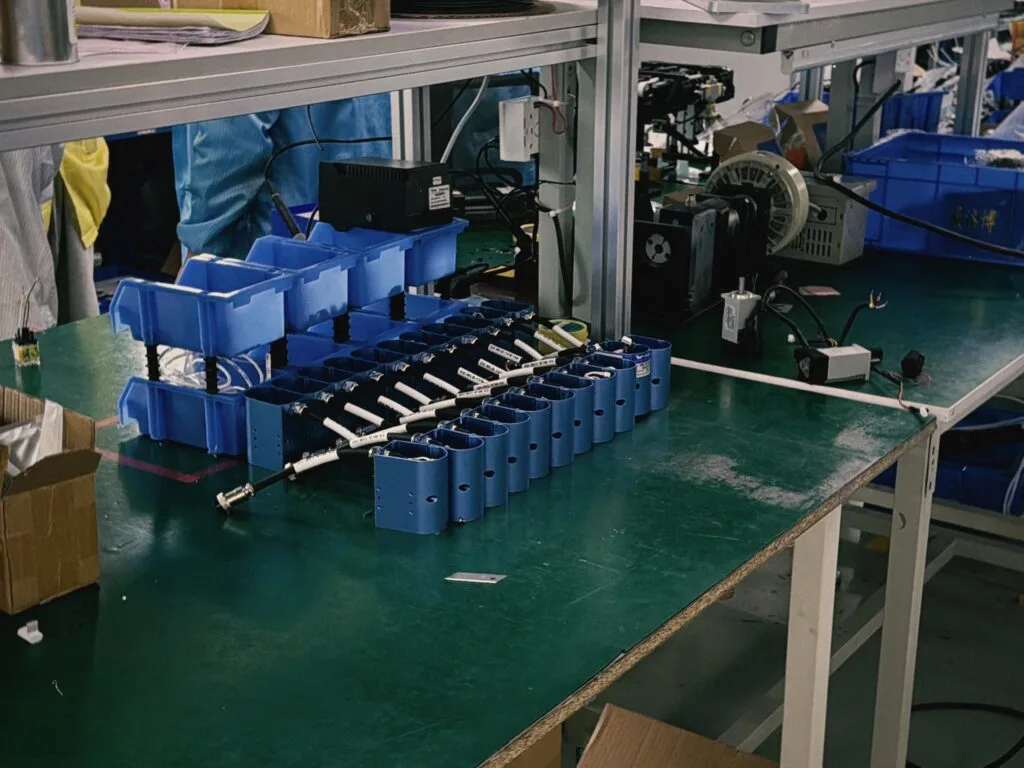
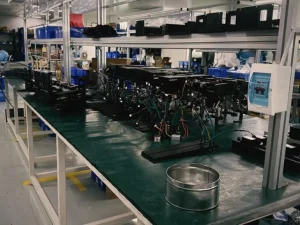 TestingWiring and function checkWiring and function check on dedicated test stations before delivery.
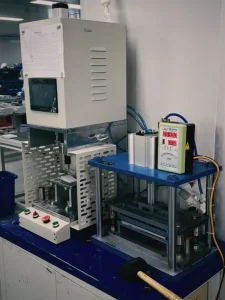 EquipmentTesting equipment and toolingTest fixtures and assembly tooling that keep production checks repeatable.
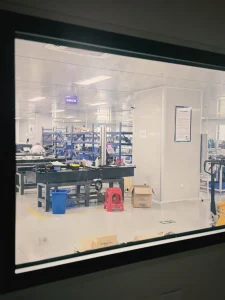 InspectionQuality inspection areaInspection area and factory environment behind quality control.
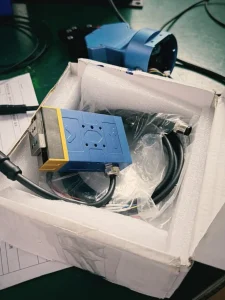 DeliveryPackaging checkAccessories, cables, and packaging protection are checked before shipment.
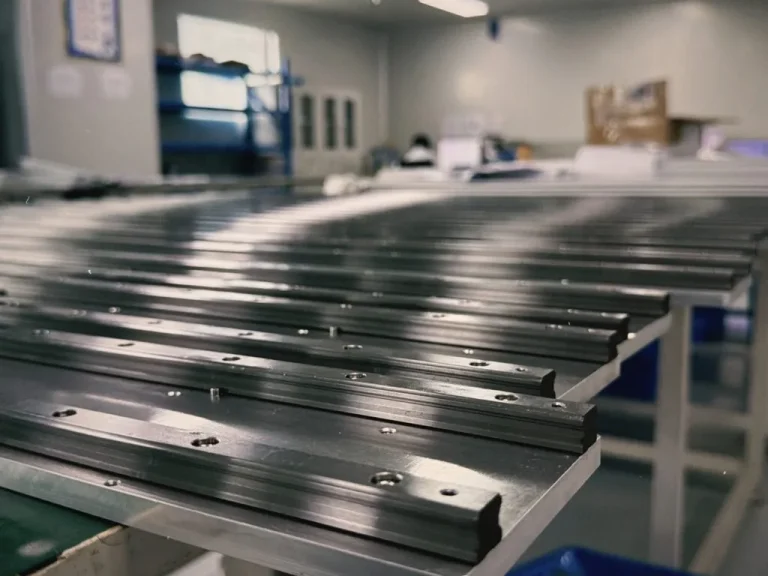
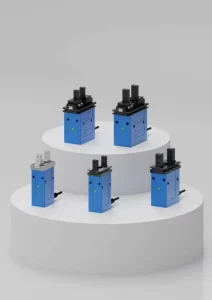
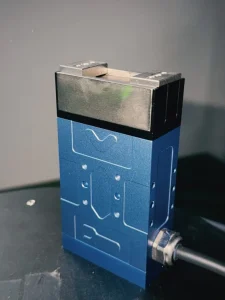
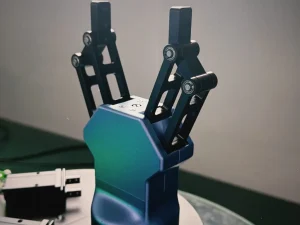
Product, structure, and assembly detail
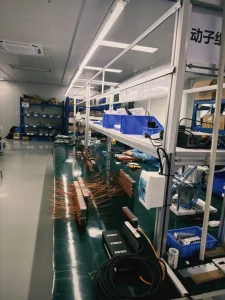
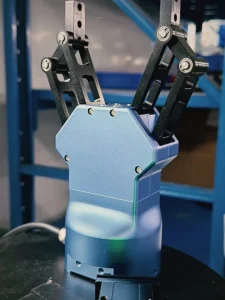
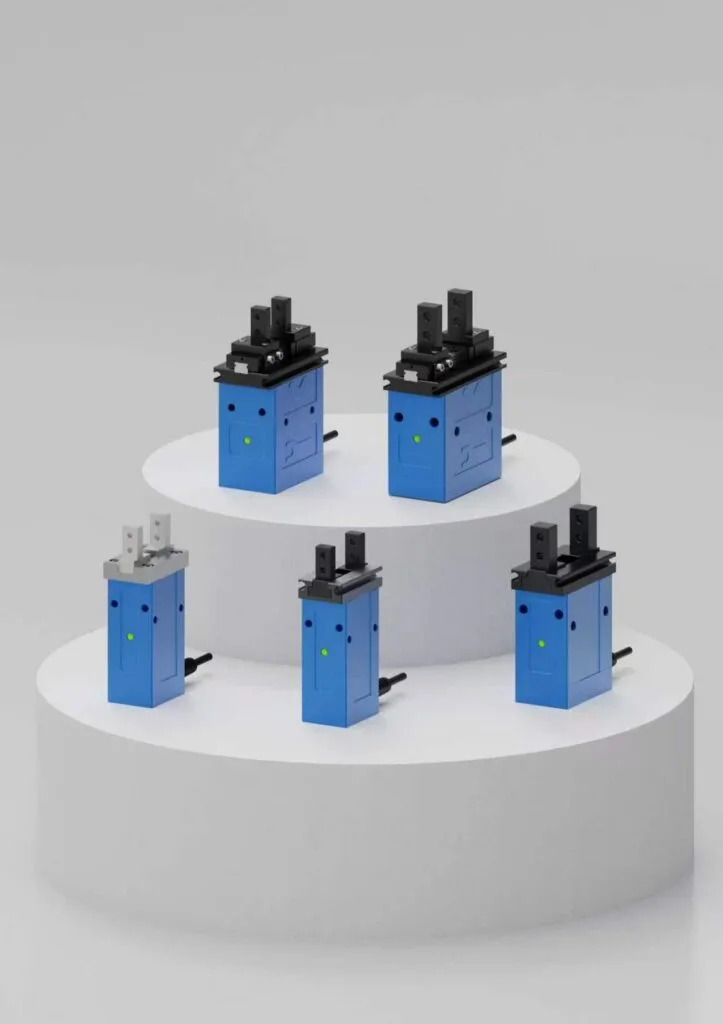
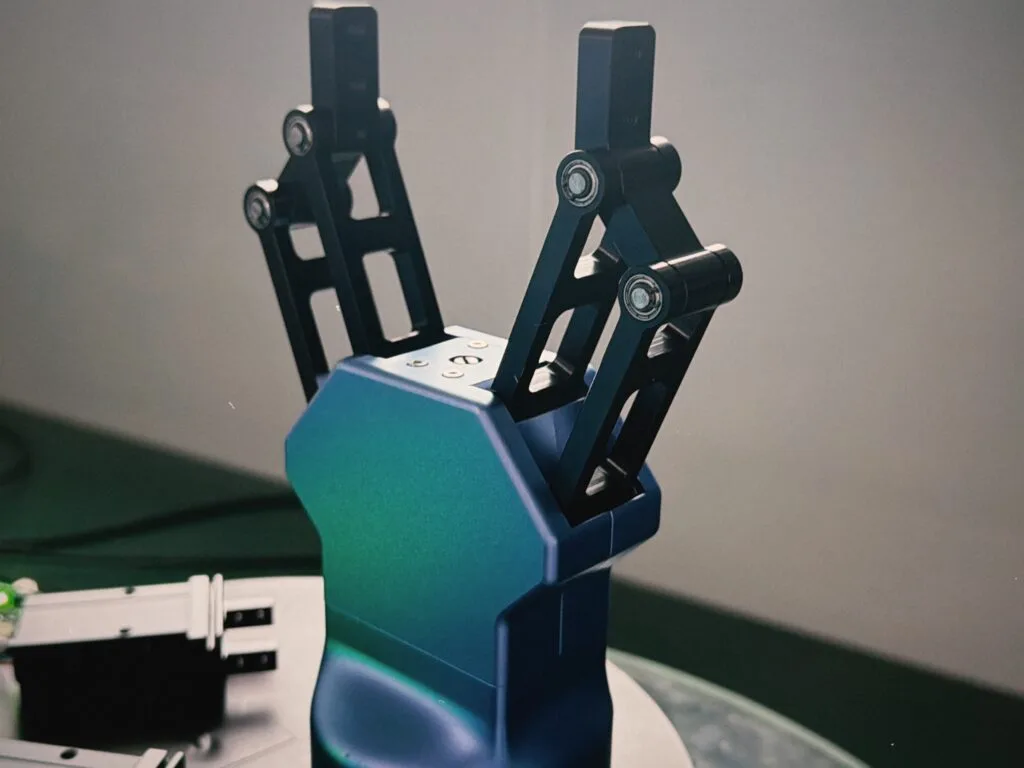
Assembly lines, product structure, and precision parts from the gripper range.
From application review to model selection
A clear process reduces hesitation. Buyers know what to send, what happens next, and why WhatsApp or email is useful for technical projects.
Send application
Part photo, drawing, robot model, stroke, force, cycle time, and destination country.
Review requirements
Check gripping task, part variation, mounting, and communication requirements.
Shortlist model
Recommend a suitable series and model path before quotation.
Share files
Provide drawings, parameter sheets, or controller notes after fit is confirmed.
Prepare quote
Confirm quantity, delivery, and project details for the formal quotation.
Global project support
Communication, technical files, delivery details, and model selection are confirmed with you before an order is placed.
Send a quick note first. Detailed model data can be checked later by WhatsApp or email.
On this page
About this electric gripper supplier
This site helps automation teams review applications, select models and discuss projects. Its focus is electric gripping hardware: parallel, wide-travel and rotating grippers, linear units and the tooling that goes with them.
How project communication works
An application review starts with the part and the cell. Share the part details, robot or axis, and cycle target. The first reply gives practical model direction. The project can then move to documentation, samples where useful, and repeat orders.
FAQ
What does an application review include?
A review of the part and cell, model direction, and the documentation needed for the next step.
Can you support a project from prototype to series?
Yes. Review, documentation and repeat orders are handled as one continuous project.
What to prepare for an application review
A review can begin without a site visit when the part data is complete: its shape, weight, contact surfaces and the placement accuracy needed.
- Control: Note the controller and fieldbus on the line, and whether commands come from the robot, a PLC or a separate module.
- Cycle: Describe what the cell needs on its worst shift, leaving a design margin rather than relying on the best run.
- Variation: Describe differences between parts in a batch and what the jaws must accommodate without a change.
- Hand-over: Specify where the part must be left for the next step and how repeatable that position must be.
- Service: Note what must be reachable during a normal maintenance window.
- Part data: Include shape, weight, touchable surfaces, and any coating or finish that must not be marked.
- Presentation: Show how the part arrives at the cell and the orientation needed by the next station.
Keep this brief with the drawings. Collecting each item once helps avoid another questionnaire later. Mark any unknowns and continue; the choice can be revisited as the cell is defined.
How an electric gripper project is handled
A project starts with the application. The part, its presentation and the cell are reviewed together. The first reply points to a suitable family, identifies what needs confirmation and notes what remains open. The discussion moves to a model after those points are settled.
Drawings and interface details follow the agreed application, and acceptance criteria are agreed before the part is built. This sequence helps avoid corrections after delivery.
Repeat orders continue on the agreed interface when the part has not changed. If it has changed, the selection is reviewed again.
What this supplier does and does not do
The scope is electric gripping hardware and the engineering discussion around it: parallel, wide-travel, rotating, linear and cobot gripper families, plus the jaw and finger tooling that connects them to the part.
A recommendation comes back to the part. Without application details, a model-number request can receive family direction, but a confirmed choice depends on the contacts, presentation and cycle the customer describes.
Details that matter are asked clearly, once, before the project moves forward.